What to Look For in an OLED TV
Panel Technology: WOLED vs QD-OLED
LG uses WOLED (white OLED with color filters), while Samsung uses QD-OLED (blue OLED with quantum dot color conversion). QD-OLED delivers wider color gamut and better anti-glare coatings. WOLED offers Dolby Vision support and generally more gradual brightness limiting. Both achieve infinite contrast and sub-millisecond response times.
Brightness: Not All Nits Are Equal
Peak brightness on a small highlight (10% window) matters for HDR specular highlights. Full-screen sustained brightness matters for daytime viewing and bright scenes. Some TVs excel at one but not the other. The LG G5 leads in peak highlights (2,268 nits) while the Samsung S95F leads in full-screen brightness (390 nits).
Gaming Features
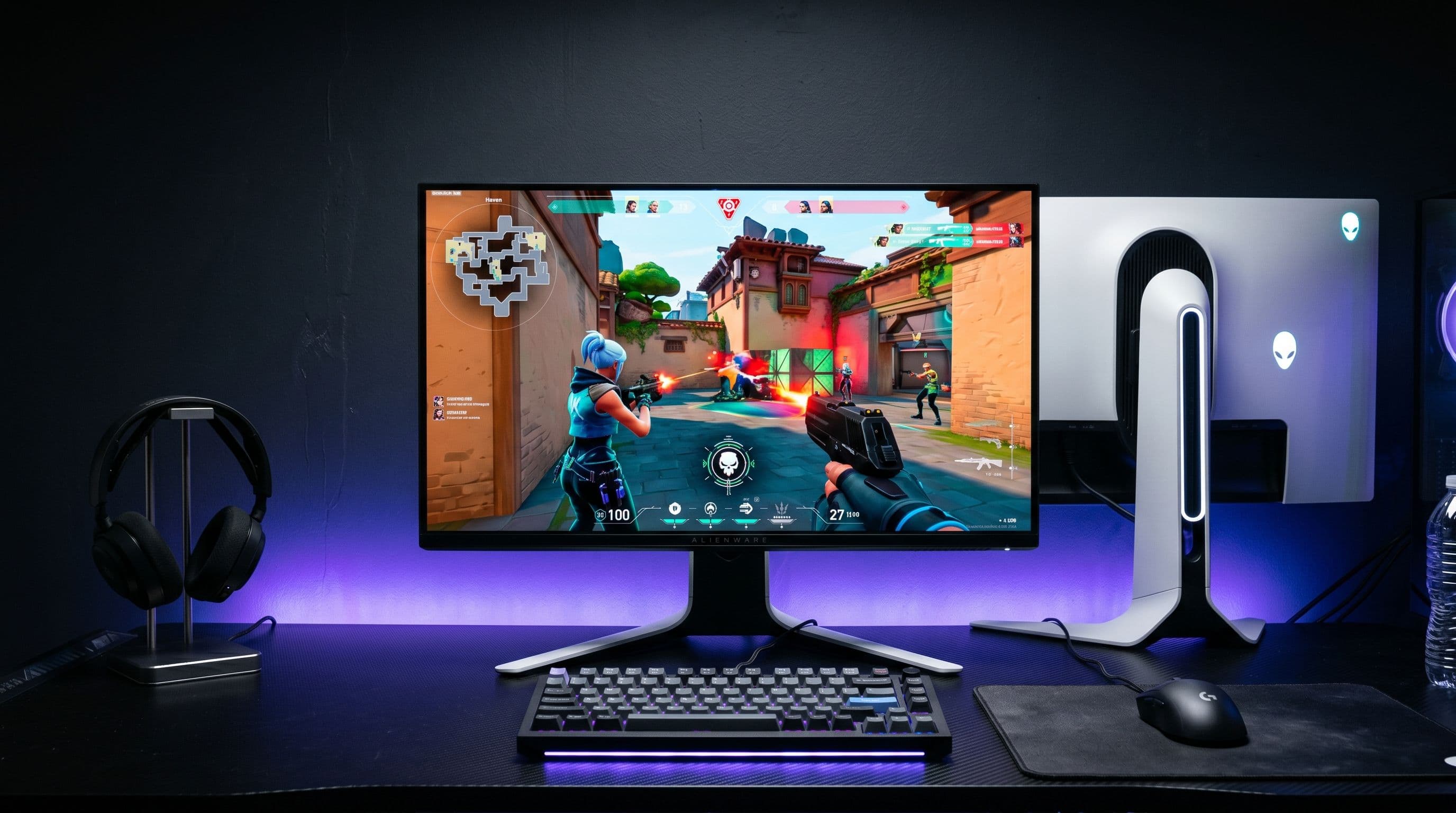
All 2025 flagship OLEDs support HDMI 2.1 with 4K/120Hz minimum. The LG G5 and Samsung S95F go further with 4K/165Hz. Key features to check: VRR (FreeSync/G-Sync), ALLM, and Dolby Vision gaming (LG only). Input lag under 10ms is standard across all our picks.
Room Environment
If your TV room has lots of windows or overhead lighting, prioritize anti-glare performance. Samsung's Glare Free 2.0 coating on the S95F and S90F is currently the best in the business. If you have a dedicated dark home theater, a glossy-screened LG or Sony will deliver slightly punchier contrast.